Projects
Here are some of the data science projects I’ve worked on, ranging from public health analysis to economic research.
AI-Driven Risk Assessment Model for Swedish Dental Care
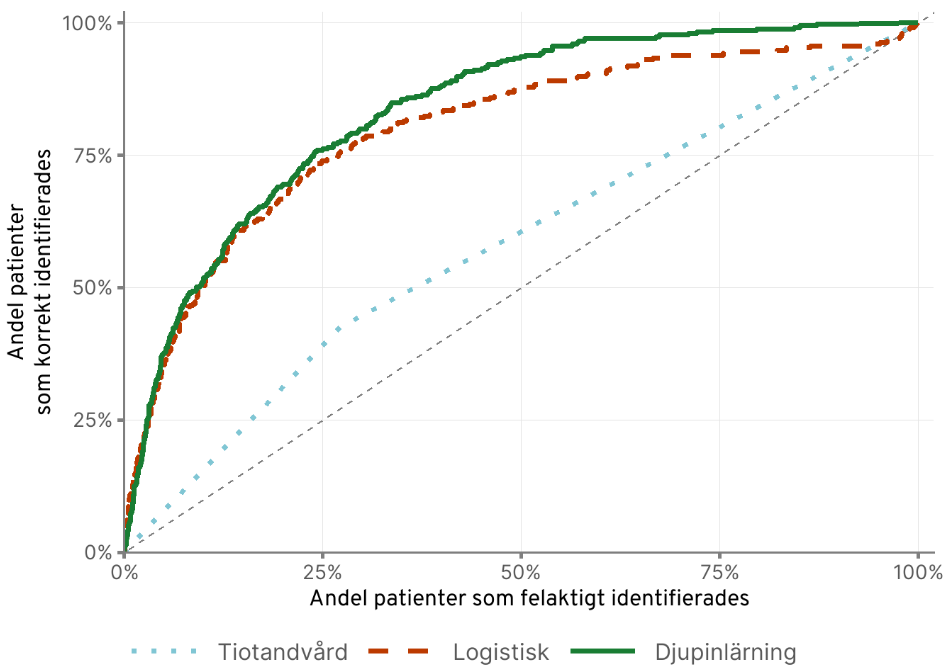
At TLV I developed a prediction model to predict dental health risks for Sweden’s national dental care subsidy system. Analyzing data from over 4 million patients and 150 million visits, the deep learning model achieved 84% accuracy in predicting periodontitis, with the ability to differentiate between high and low-risk patients at a 171:1 relative risk ratio. We presented this proof-of-concept to the government, demonstrating how a risk assessment model for dental health can be developed. This resulted in the government tasking TLV with developing a production ready model which will assist dentists in giving patients subsidies based on their risk of bad dental health.
How Many Pharmacies Does Sweden Really Need?
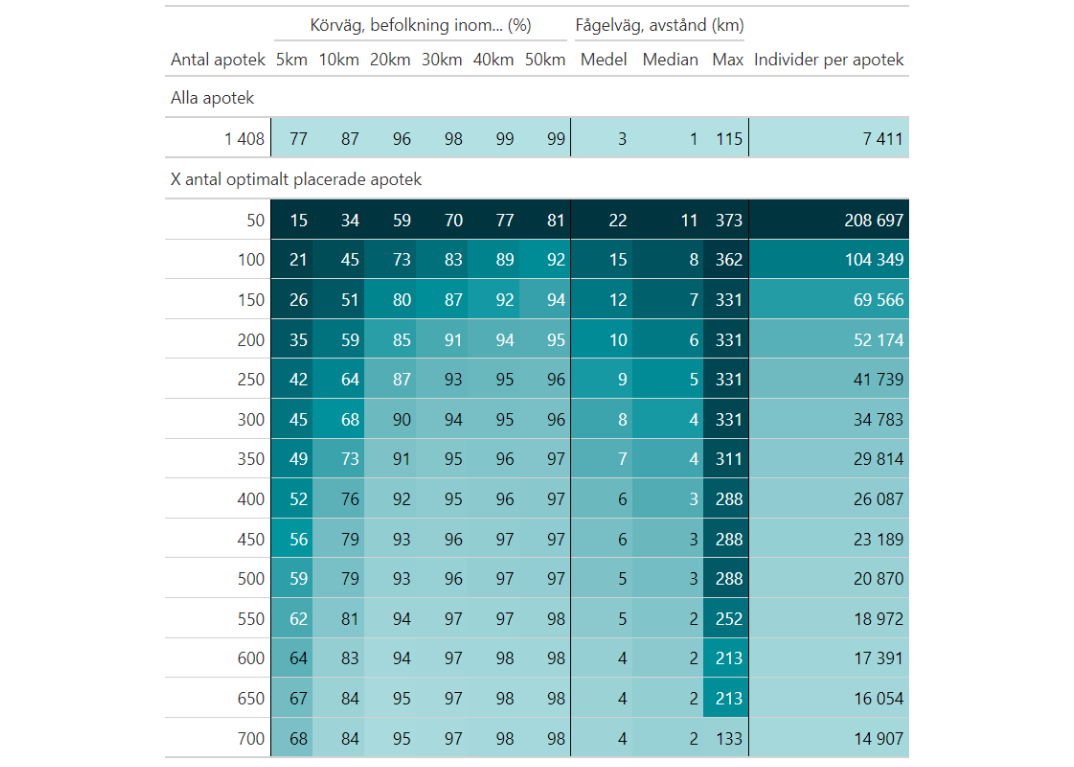
In the government tasked TLV with designing an emergency pharmacy system for crisis preparedness. Using geographic optimization and open data, we determined that 300 strategically-placed pharmacies could provide 90% of Sweden’s population with access within 20km driving distance—even under crisis conditions. This analysis influenced proposed legislation and national preparedness planning.
Interactive Swedish Pharmacy Map
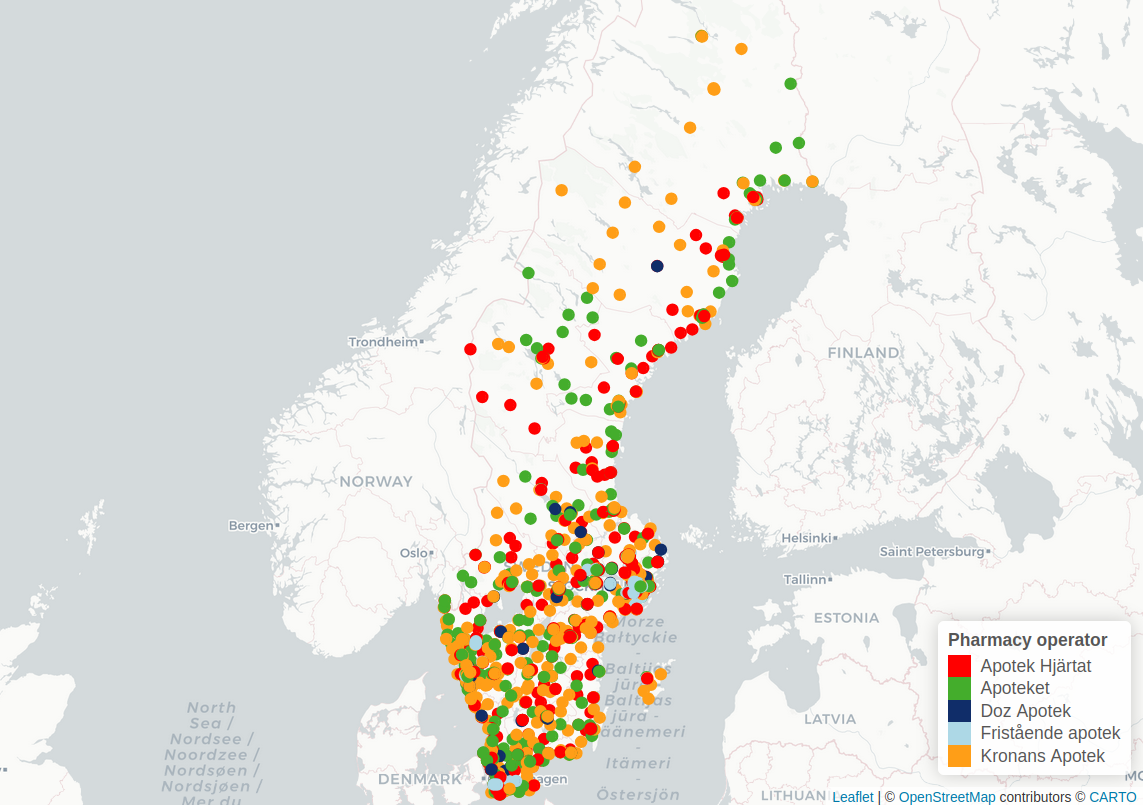
An interactive Shiny application for exploring pharmacy accessibility across Sweden. Built with R Shiny and Flexdashboard.
Work and Private Life During COVID-19
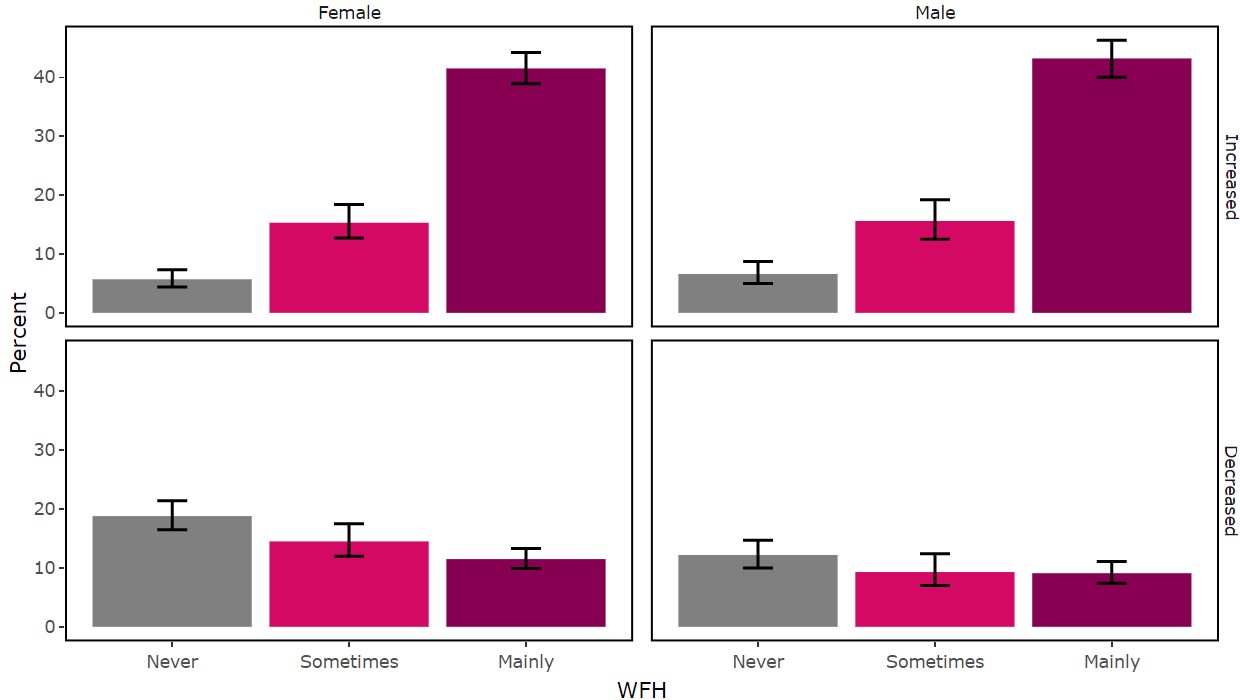
A population-based study of 4,985 employees in Stockholm examining how the pandemic shift to remote work affected work conditions and work-life balance. Using cross-sectional data from the PART study, this research revealed that working from home was associated with increased control and work-life balance, while simultaneously decreasing cooperation, participation, and workplace support. Women reported greater workload increases than men, and younger adults experienced more polarized changes. Published in the Journal of Occupational and Environmental Medicine as first author while working as research assistant at Karolinska Institutet.
Legionnaires’ Disease in Europe: Increasing Trend 2017-2019
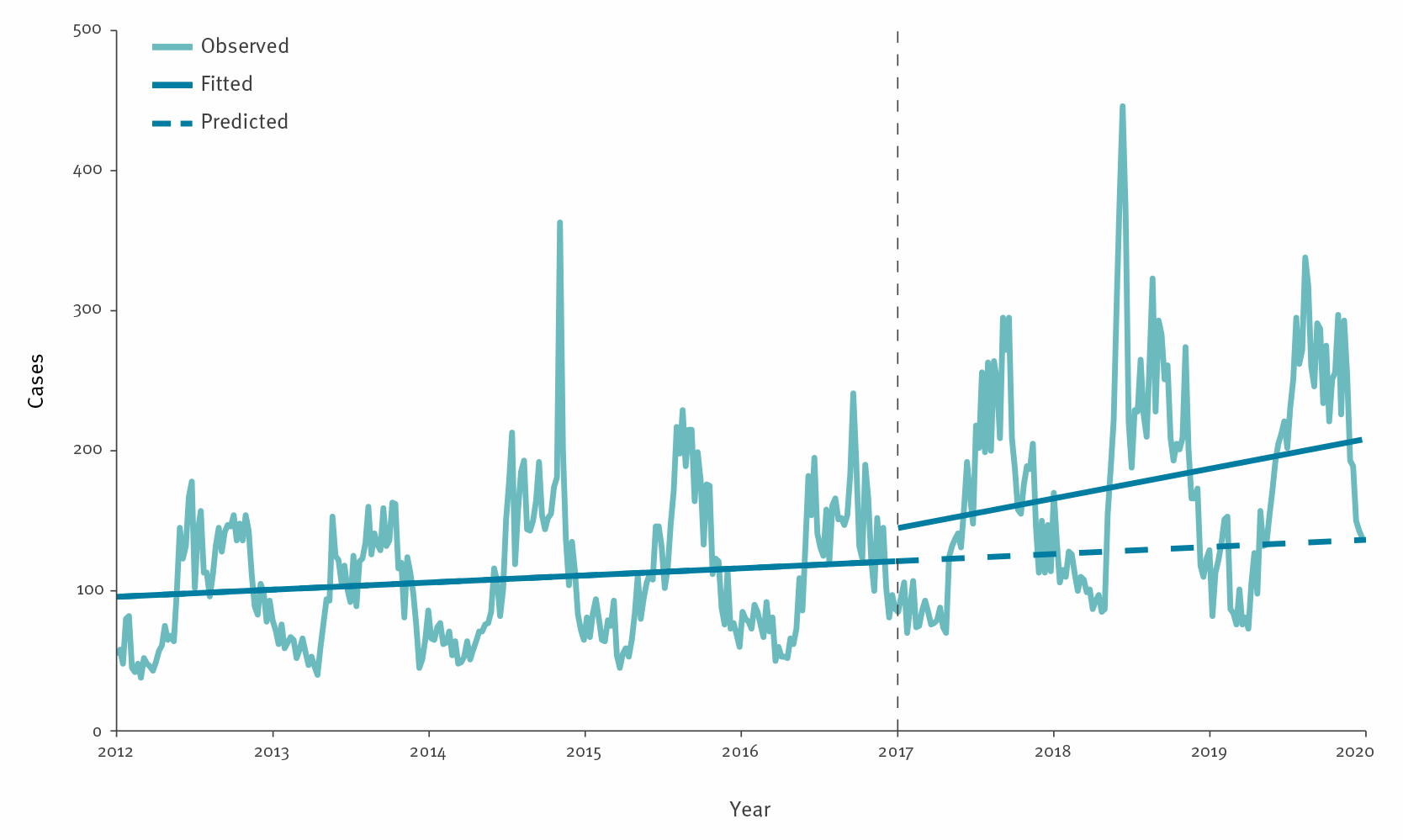
Using time series forecasting and interrupted time series analysis on 55,821 cases across 25 European countries, this study revealed a statistically significant 33.9% increase in Legionnaires’ disease beginning in 2017. Sophisticated ARIMA models and harmonic regression identified a genuine epidemiological shift, informing ECDC public health policy. Published in Eurosurveillance as first author while working at ECDC’s Scientific Methods and Standards Unit.